
Presenter Profile
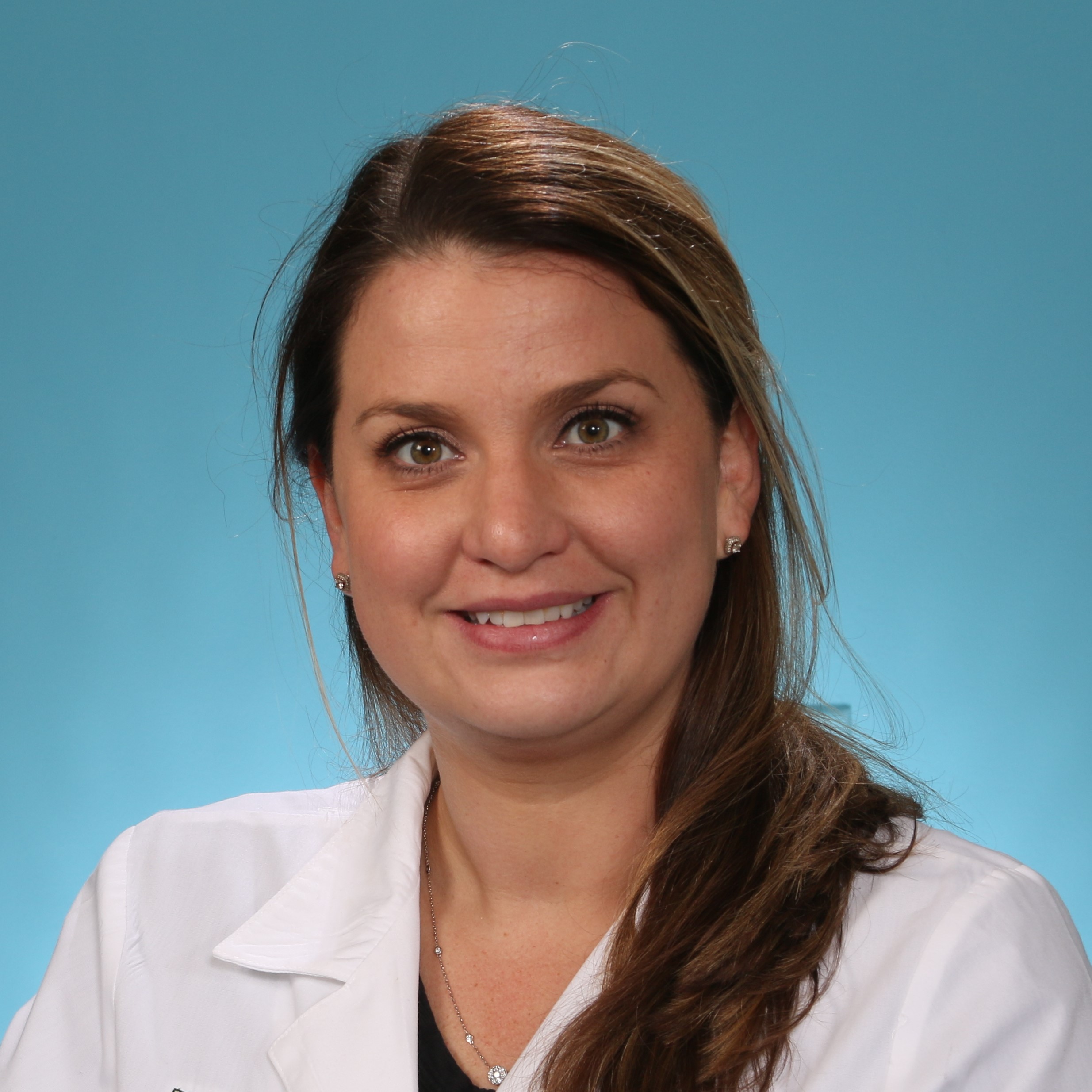
Lindsay D. Clukies, MD, FAAP
Associate Trauma Medical Director
Co-Director, Emergency Medical Services
Division of Pediatric Emergency Medicine
St. Louis Children's Hospital
Washington University in St. Louis
lindsayedavidson@wustl.edu
Dr. Clukies is a pediatric emergency medicine physician at St. Louis Children's Hospital. She completed her undergraduate degree at McGill University in Montreal, Canada and medical school at New York Medical College. She went on the pediatrics residency and pediatric emergency medicine fellowship at Washington University in St. Louis/St. Louis Children's Hospital where she stayed on as faculty. She is the associate trauma medical director and has particular interests in injury prevention, clinical guidelines, firearm injuries and pre-hospital care. When she is not working she is keeping busy with her 3 sons and 3 rescue dogs.
Presentations
Overcoming Barriers to Healthcare-led Firearm Injury Prevention Strategies
Emma Cornell, MPH
Ashley Blanchard, MD
Sofia Chaudhary, MD
Lindsay Clukies, MD
Olivia Frank, MPH
Due to recent increased awareness and advocacy, healthcare led efforts to advance firearm injury prevention have increased in recent years. From lethal means counseling to hospital-based violence intervention programs (HVIPs), pediatric healthcare providers have embraced efforts to reframe firearm injury prevention as a public health issue. Despite this progress, current changes in funding availability and political climate threaten many programs engaged in this important work. This session aims to equip attendees with creative strategies and solutions to navigate current challenges in funding and political climate, to sustain this life-saving work. Attendees will be asked to share common barriers they have experienced in their own practice, and workshop presenters will facilitate a dynamic, solutions-oriented dialogue, drawing on their combined experiences operating HVIPs, lethal means counseling and secure firearm storage programs across the country. Workshop leaders will highlight innovative strategies for program continuity and empower attendees to apply these strategies in their own practice to address various types of firearm injury, including suicide, homicide, and unintentional injury. In this interactive session, participants will first hear from workshop leaders, followed by brief peer-to-peer conversations on individual challenges and solutions. Through these conversations, attendees will network and meet participants at varied levels of institutional engagement in firearm injury prevention efforts offering a broad spectrum of perspectives and possible future collaborations.
1. Describe common barriers among existing clinical programs for firearm injury prevention
2. Identify unique stakeholders to partner with to continue firearm injury prevention initiatives
3. Recognize institutional and community facilitators to strengthen and sustain firearm injury prevention programs
From Prevention to Promotion: Advancing Your Academic Career Through Your Injury Prevention Efforts
Maneesha Agarwal, MD, FAAP
Lindsay D. Clukies, MD, FAAP
Michael N. Levas, MD, MS
Kathy W. Monroe, MD, MSQI
An academic career in pediatric injury prevention is rewarding as it has a direct impact on children and can result in many lives saved. Yet many early-career faculty struggle to see how their injury prevention efforts—whether in advocacy, program implementation, education, clinical work, or research—can contribute meaningfully to academic promotion.
This interactive workshop is designed to bridge that gap. Faculty leaders who have successfully navigated the promotion process will offer practical guidance and candid insight into how injury prevention work can be strategically aligned with institutional promotion criteria.
Participants will learn to recognize the value of their full scope of contributions, even those that may not traditionally “count” in academic culture. We’ll explore how to position injury prevention activities within teaching, service, and scholarship portfolios—and how to translate these efforts into language that resonates with promotion committees.
Topics will include: • Key similarities and differences in academic promotion criteria across institutions. • How to “play the game” by your institution’s rules . • Strategies to build your CV beyond publications—through leadership, community partnerships, mentorship, and policy impact. • Tapping into national networks like Injury Free to support your case and increase visibility.
Participants will engage in reflective exercises and small-group discussions to identify their own goals, assets, and barriers. Everyone will leave with tailored action steps to help them integrate promotion planning into their everyday work—and to advocate for broader recognition of injury prevention as an essential academic contribution.
1. Describe common promotion pathways and how they apply to injury prevention work.
2. Identify local and national resources and mentors to support their promotion journey.
3. Develop personalized action items that align injury prevention efforts with academic advancement.